
Every real build
deserves a real file.
Rough concept direction. The thought, enthusiast cars are documented everywhere visually, but almost nowhere structurally.
Enthusiast ownership moved online. The records did not.
Enthusiast ownership moved online. Cars are bought, sold, judged, and remembered through photos, videos, listings, texts, and threads.
Built cars change constantly. Parts go in, parts come out, tunes change, shops touch the car, and the real history gets scattered.
AI can now turn messy records into structure. A forwarded invoice, shop note, photo set, dyno sheet, or manual can become part of a searchable car file.
Consumer distribution is the hard part. Enthusiast communities may be the right place to test, because the behaviour already exists where cars are built, filmed, modified, sold, and discussed.
Glove box. Group chat. Camera roll. Three shops.
A built car has a richer history and worse records than a stock one.
Years of work end up scattered across text threads, invoices, shop systems, cloud folders, and thousands of photos. When it is time to sell, the owner rebuilds the story from memory. The buyer is asked to trust what should have been documented.
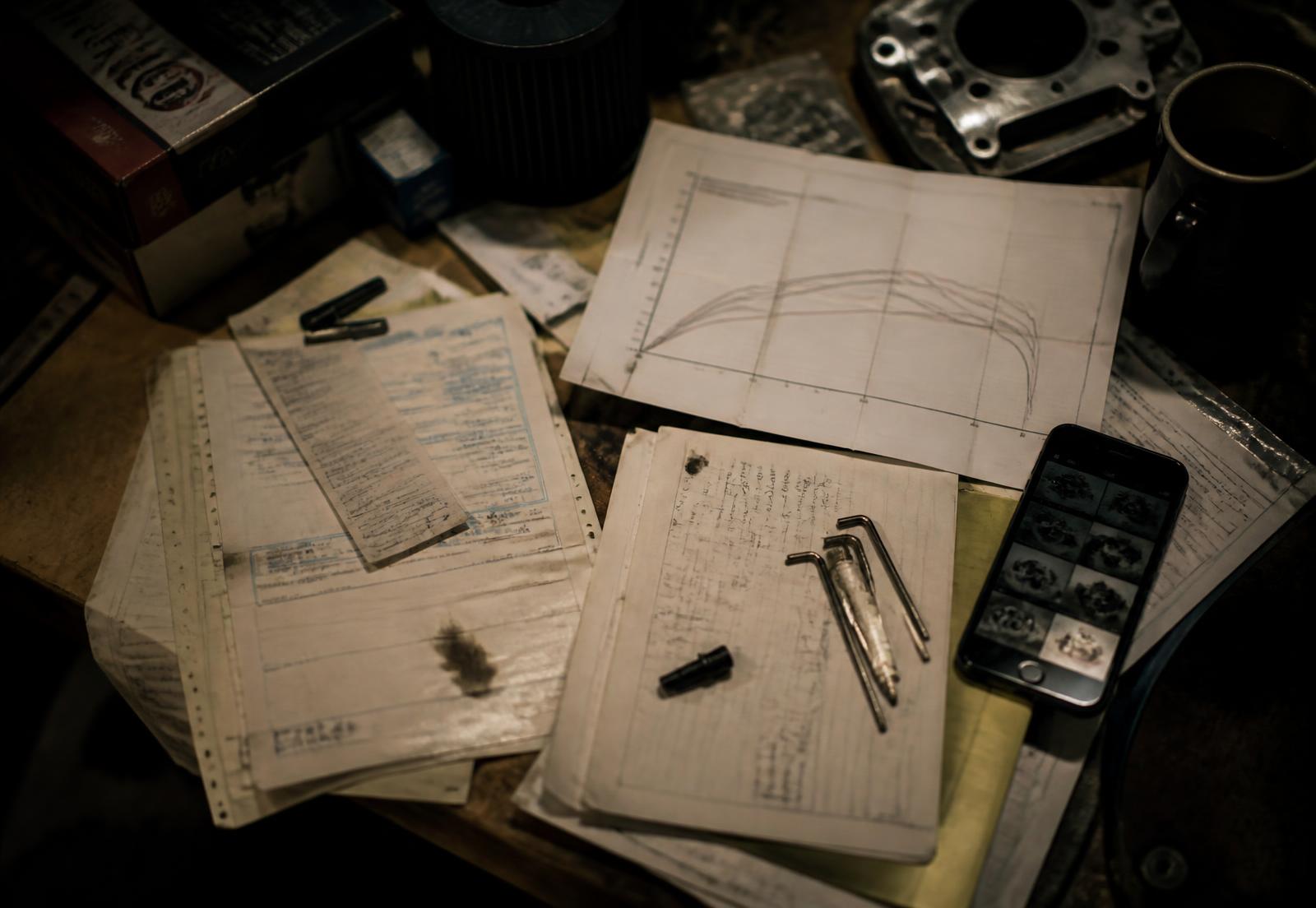
Messy records become valuable when they are connected.

Forward it once.
It becomes part of the car.
- 01 CaptureReceipts, invoices, titles, dyno sheets, manuals, photos, shop notes.
- 02 StructureParts, service, mileage, versions, shops, ownership moments.
- 03 ExplainAsk questions and get answers from the car's own file.
- 04 PrepareFind missing records before service, sale, insurance, or handoff.
- 05 ShareCreate a buyer-safe link with only what the owner chooses.
- 06 TransferThe file can move with the car when ownership changes.
One file for the whole build.
Garage Files organizes a car by how it actually changes. Purchases, parts, service, photos, tunes, shop work, and ownership moments land on the timeline where they belong. Private by default. Shareable when it matters.
Mocked file, representative build
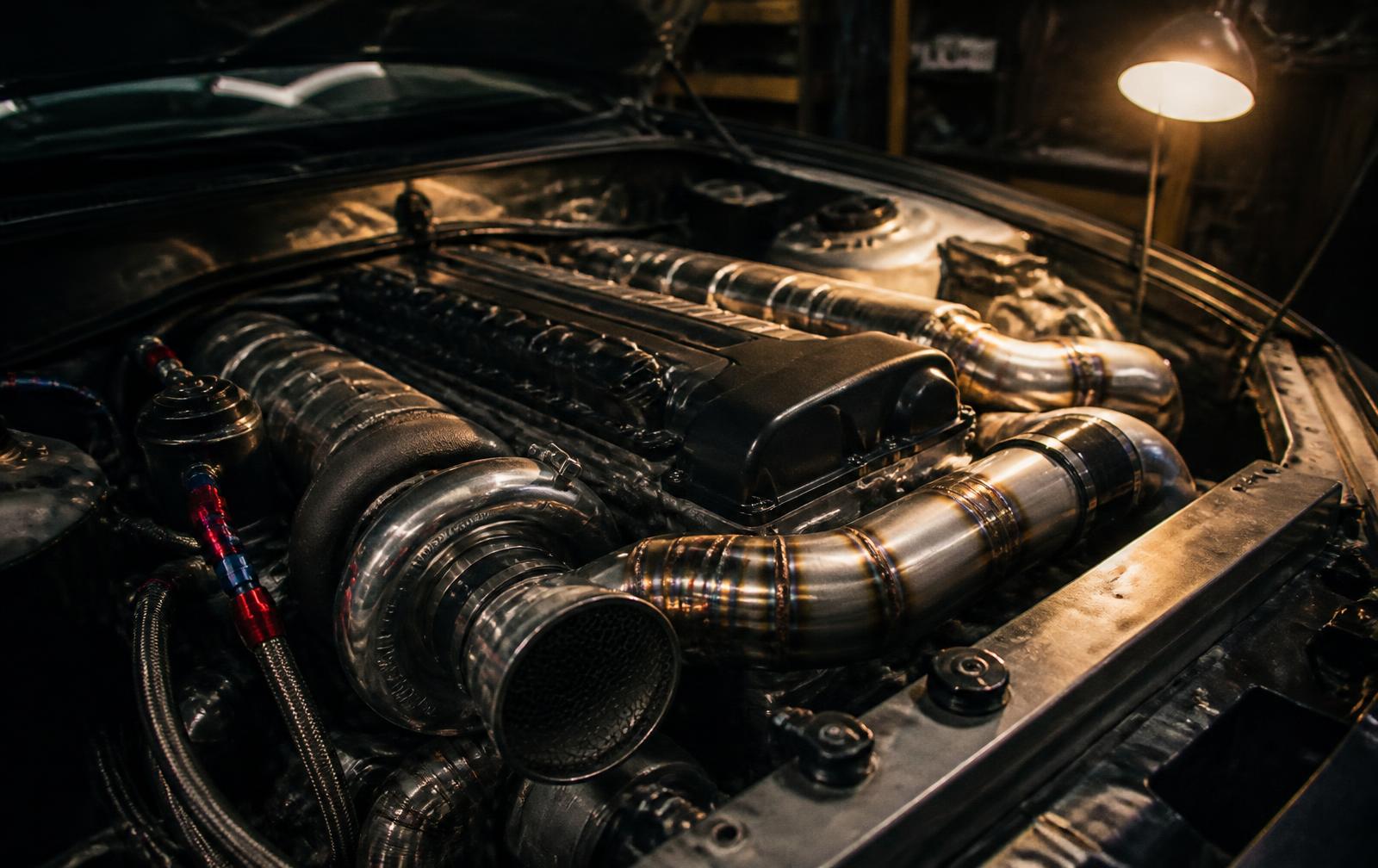
Ask your car what only the file can answer.
Garage Files reads the records around a specific vehicle: receipts, parts, photos, shop notes, owner-provided manuals, service intervals, and build history, alongside licensed service data, public specifications, and verified technical references. Ask what changed, what is due, what is missing, or what a shop just quoted. The answer comes from the car's own file, with sources attached.
Useful for owners who love cars without decoding every invoice, forum thread, or manual alone.
- 01Owner adds records
- 02File becomes structured
- 03Build changes are logged
- 04Questions become answerable
- 05Missing proof gets flagged
- 06Buyer link is created
- 07File transfers with the car
Each record makes the next question easier to answer. Over time, the car becomes easier to understand, easier to service, and easier to sell.

The build is already public.
The proof is still scattered.
Enthusiasts already film the teardown, post the dyno pull, share the wrap, document the respray, and debate the parts list. Garage Files gives the records underneath that culture a permanent place to live.

Shops create the proof every day.
Performance shops, wrap shops, detailers, tuners, fabricators, and specialty dealers already create the records owners need. Garage Files gives those records a cleaner path into the car's file and gives the shop permanent credit for the work.

The next owner should inherit the story, not just the keys.
When the car changes hands, the file can move with it. The next owner gets the service history, parts trail, photos, notes, manuals, and proof behind the build.

A better memory
for the cars people build.
Garage Files starts with a simple behaviour: send the record in when the work happens. Over time, the car becomes easier to understand, easier to maintain, easier to sell, and harder to misrepresent.